SEO

Bounce House Website SEO Basics for Local Operators

By BounceOS EditorialUpdated April 29, 20269 min read

For owner-operators trying to rank in their service area

A practical local SEO playbook for bounce house and inflatable rental companies that need more qualified booking traffic without turning the website into keyword clutter.
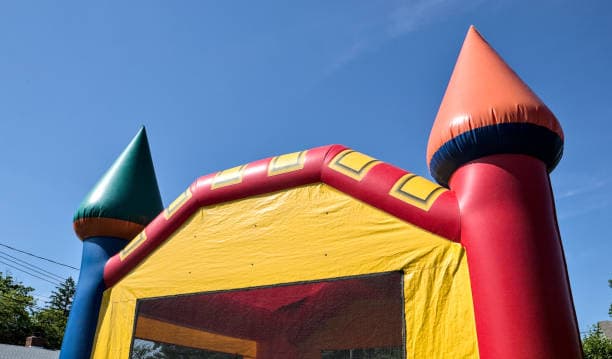
Close view of a classic inflatable castle against a blue sky

Key takeaways

  • Local SEO starts with service-area clarity, not generic homepage copy.
  • Category and package pages should answer real booking questions before they try to rank.
  • Trust signals, photos, policies, and fast inquiry paths help search traffic convert.
bounce house seoparty rental seolocal seo for inflatable rentals

Start with the cities you actually serve

Most inflatable rental websites lose SEO value because the service area is vague. A visitor should be able to tell within seconds whether you deliver to their city, county, neighborhood, school, church, or event venue.

That does not mean stuffing every town into a footer. Use natural service-area copy in the homepage hero, rentals page, booking flow, and category descriptions. If your best leads come from a small group of cities, those cities deserve clear placement on the site.

The goal is simple: make it easy for search engines and customers to understand where you operate and what types of events you can serve there.

Build pages around real booking intent

Parents and event planners rarely search for broad brand language. They search for specific needs: bounce house rentals near me, water slide rentals for birthday parties, obstacle course rentals, indoor inflatable rentals, or party rentals in a specific city.

Your website should have indexable pages for the categories you actually sell. A bounce house category page, water slide category page, combo unit page, and tables-and-chairs add-on page can each earn different types of search traffic when the copy is useful and local.

Each page should answer practical questions: how long the rental lasts, what space is needed, whether delivery is included, what surfaces work, how weather is handled, and what the customer needs to do next.

Use package pages as SEO and sales assets

A package page should not be a lonely photo with a price. It should explain the unit, the event fit, the setup requirements, and the booking path. That content gives Google more context and gives customers more confidence.

Strong pages include the product name, category, short description, measurements, recommended age range, rental duration, pricing notes, add-ons, delivery area, and clear availability or quote instructions.

When inventory is structured this way, every rental item can support both local search and conversion instead of acting like a basic catalog tile.

Make your Google Business Profile match the website

Your website and Google Business Profile should tell the same story. Business name, phone number, service area, categories, photos, and booking link should be consistent.

Operators often update social media but leave the website stale. Search engines notice mismatches, and customers notice them faster. If your website says one service area and your profile suggests another, that friction can cost calls.

Use the website as the stable source of truth, then keep business profiles, directory listings, and social pages aligned with it.

Add trust content that keeps visitors from bouncing

SEO is not only about rankings. If visitors arrive and immediately leave because the site feels unfinished, the traffic is not doing its job.

Show recent photos, clear contact options, policy links, waiver expectations, setup requirements, and service-area details. Those pieces are not decoration. They reduce risk for parents, schools, churches, and companies comparing several vendors at once.

BounceOS is built around that idea: publish a site that can rank locally while also giving customers enough confidence to request a date.

Measure the few numbers that matter

Do not start with a complicated reporting stack. Track organic visits, calls or texts from the site, booking request submissions, top landing pages, and the search terms that appear in Google Search Console.

The useful question is not whether traffic went up in general. The useful question is whether the right pages are bringing in people who request real dates in your service area.

When a category page gets impressions but no requests, improve the offer, photos, pricing clarity, and next step before writing another article.

Operator FAQ

Does a bounce house business need separate pages for every city?

Not always. Start with clear service-area copy and strong category pages. Create city pages only when you can make each page genuinely useful with local delivery details, venue context, photos, FAQs, or neighborhood-specific information.

Should I use the phrase bounce house or inflatable rental?

Use both naturally. Customers may search for bounce houses, inflatable rentals, water slides, moonwalks, or party rentals depending on the market. The page should read like a real business, not a keyword list.

Can SEO help if most leads come from Facebook?

Yes. Social pages can create demand, but a stronger website gives people a place to compare packages, check policies, and request a date without relying on back-and-forth messages.

Related next steps

Keep building

BounceOS is built to move operators from search traffic to trust to booking inquiry.